Lima’s Brightest Bite: La Mar and the Ceviche That Keeps Peru in the Spotlight
There are meals that arrive quietly, and then there is ceviche in Lima.
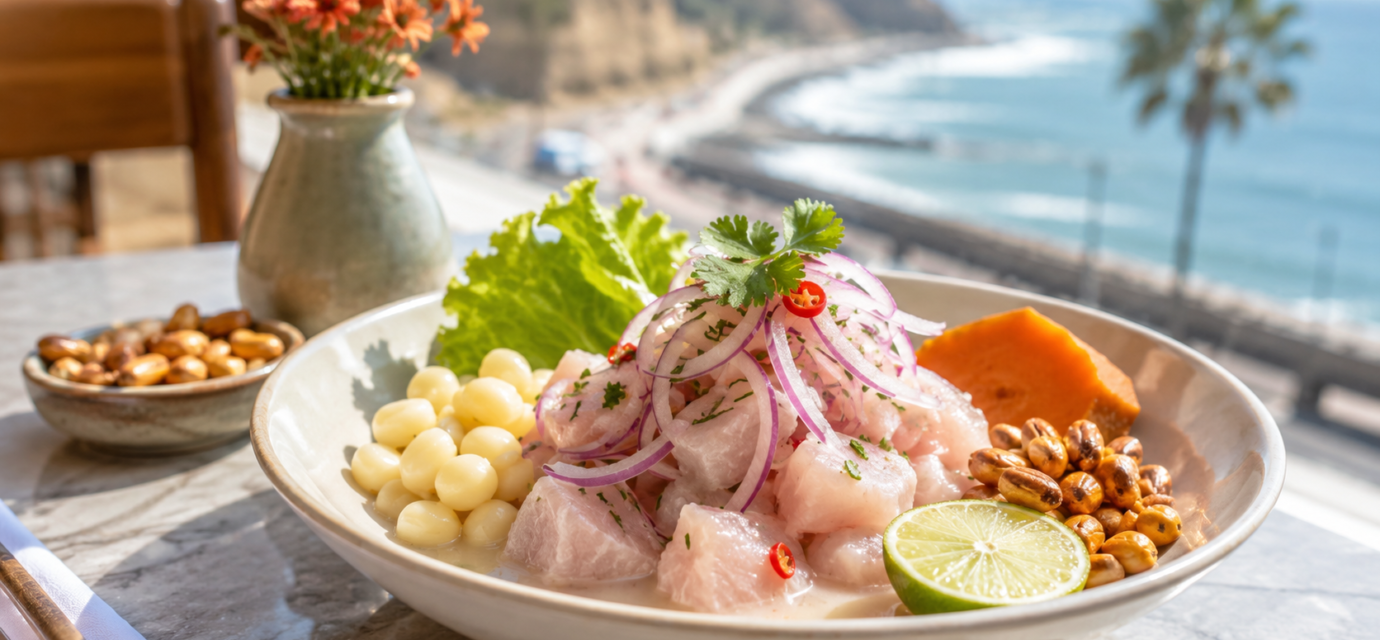
It comes to the table bright, chilled, and awake. White fish glistens under lime. Red onion curls over the top like ribbon. Ají brings heat without shouting. Corn gives sweetness and chew. Sweet potato softens the sharp edges. Somewhere nearby, glasses clink, a server moves quickly through the room, and the air carries that clean scent of citrus, salt, and the sea.
At La Mar in Miraflores, ceviche does not feel like a tourist checklist item. It feels like a conversation Peru has been having with itself for generations. A conversation between fishermen and farmers, coast and highland, family kitchens and busy restaurants, old methods and modern dining rooms. The plate may look simple at first, but one bite tells you there is nothing plain about it.
Ceviche is not only about freshness. It is about timing. It is about balance. It is about respecting an ingredient enough not to hide it. And in Lima, where the Pacific helps shape the rhythm of daily life, ceviche carries the feeling of a city that knows how to make brightness feel grounded.
Inside Lima’s Most Famous Ceviche Spot PE La Mar
Why Lima Ceviche Culture Feels So Meaningful
Ceviche matters in Peru because it is more than a famous dish. It is one of those foods that gathers a country’s geography, labor, memory, and pride into one bowl.
The basic idea is familiar to many people now: raw fish dressed with citrus, salt, chili, and aromatics. But Peruvian ceviche has its own identity. It is often served with ingredients that tell a bigger story, such as sweet potato, cancha, choclo, onion, ají, and sometimes seaweed or regional additions depending on where it is made. Those accompaniments are not decoration. They bring contrast, comfort, and a sense of place.
UNESCO recognized the practices and meanings connected to the preparation and consumption of Peruvian ceviche as Intangible Cultural Heritage of Humanity in 2023. That recognition is important because it honors not only the plate but the knowledge around it: fishing, farming, regional preparation styles, family traditions, restaurant culture, and the people who keep those practices alive.
Practices and meanings associated with the preparation and consumption of ceviche
In Lima, ceviche also feels meaningful because the city is a meeting point. Ingredients arrive from the coast, the Andes, and the Amazon. Culinary influences from Indigenous, Spanish, African, Chinese, Japanese, Italian, and other communities have shaped Peruvian cooking over time. You can taste that layered history in Lima’s restaurants, markets, and home kitchens without reducing Peruvian cuisine to one single origin story.
That is the beauty of the table here. Ceviche feels local, national, and global all at once.
The Beauty of the Table
A good ceviche table has movement.
The spoon dips into leche de tigre, that citrusy, savory marinade left behind after the fish, lime, chili, onion, and seasonings have come together. The fish is cool and tender, but not limp. The onion snaps. The corn pushes back gently between your teeth. The sweet potato lands like a soft pause between brighter bites.
At La Mar, that energy is part of the experience. The restaurant describes itself as a celebration of the sea, Peruvian cuisine, and life, and its Lima location pays tribute to Peru’s cebicherías. That matters because a cebichería is not only a seafood restaurant. It is a daytime rhythm, a social place, a table built around freshness and speed, where lunch can feel both casual and special.
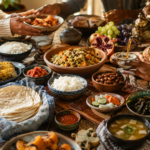
The table often feels generous without being fussy. There may be ceviche, tiradito, grilled seafood, fried bites, rice dishes, sauces, pisco drinks, or chicha morada. There is color everywhere: golden corn, purple onion, green cilantro, orange sweet potato, red chili, white fish, silver flashes from the seafood counter.
And then there is sound. Forks, plates, conversation, the quick rise of laughter, the soft scrape of a bowl being pulled closer. Ceviche is a chilled dish, but the table around it feels warm.
That contrast is part of its charm.
A Taste of History and Culture
Ceviche is often linked to Peru’s coast, but its cultural reach extends across the country. Peru’s Ministry of Culture has emphasized that ceviche is prepared in every department of Peru with regional ingredients and variations. That means the dish is not frozen in one version. It moves with place.
On the coast, fish and shellfish naturally take center stage. In other regions, local ingredients and customs influence the way people prepare and serve it. The dish connects fishermen, aquaculture communities, agricultural producers, cooks, families, picanterías, marisquerías, huariques, and cebicherías. It is food, but it is also a system of relationships.
La Mar sits inside that larger story as a modern restaurant expression of a traditional dining culture. Founded by Gastón Acurio’s restaurant group, La Mar’s Lima location helped turn the energy of the Peruvian cebichería into an internationally recognizable experience. The restaurant’s own materials describe a menu that travels through Peruvian diversity and includes Japanese, Chinese, Spanish, Italian, and Andean influences.
That layered influence is not unusual in Peru. Nikkei cuisine, shaped by Japanese-Peruvian history, and Chifa cuisine, shaped by Chinese-Peruvian history, are two widely recognized examples of how migration and local ingredients have created new Peruvian food languages. Ceviche and seafood dining often sit near those influences, especially in modern Lima restaurants where tiradito, rice dishes, seafood platters, and bright sauces can share the same table.
Still, the heart of ceviche remains beautifully direct: good seafood, sharp citrus, chili, salt, and care.
Gastón Acurio at his AMAZING Ceviche restaurant | La Mar Cebicheria
What This Food Tradition Teaches Us
Ceviche teaches patience in a funny way because it is not a slow dish. It comes together quickly, but it asks for attention.
You cannot rush quality. You cannot fake freshness. You cannot bury imbalance under heavy sauce. If the lime is too harsh, the fish disappears. If the chili overwhelms, the dish loses its grace. If the sides are missing, the plate may feel sharp without comfort.
That is a lesson many tables around the world understand in their own language. Japanese sashimi honors clean cuts and restraint. Mexican aguachile celebrates seafood, chili, lime, and immediacy. Polynesian poisson cru brings raw fish together with citrus and coconut milk. Ecuadorian ceviche has its own coastal personality, often saucier and sometimes made with shrimp. These dishes are not the same, and they should not be treated as interchangeable. But they remind us that coastal communities often develop deep, respectful ways of eating from the water around them.
Peruvian ceviche teaches gratitude for ingredients that do not need to be overworked to be meaningful. It teaches respect for the people behind a meal: the fishermen, farmers, market vendors, cooks, servers, and families who pass knowledge forward. It teaches that simplicity is not emptiness. Sometimes simplicity is skill made visible.
It also teaches that national pride does not have to feel stiff. Sometimes it feels like lunch. A cold bowl of ceviche. A squeeze of lime. A family leaning over the table. A friend saying, “Try this one first.”
How to Bring This Spirit Into Your Own Kitchen
You do not have to recreate La Mar at home to bring the spirit of Lima ceviche culture into your kitchen. In fact, the most respectful approach is not to pretend you have mastered another culture after one recipe. Start with curiosity. Learn what the dish means. Use good ingredients. Name the tradition clearly. Give credit to Peru and to the communities that keep ceviche alive.
For a ceviche-inspired table at home, think in terms of balance:
Choose freshness with care. If preparing raw fish, buy from a trusted seafood source and ask whether the fish is appropriate for raw preparation. The FDA advises that cooking seafood thoroughly is the safest option, and if people choose to eat raw fish, previously frozen fish is a safer rule of thumb because freezing can help kill parasites, though it does not remove every food safety risk. Pregnant people, young children, older adults, and people with weakened immune systems should avoid raw or undercooked seafood.
Use cooked seafood when needed. Cooked shrimp, scallops, or firm white fish can still create a beautiful citrusy seafood salad inspired by ceviche flavors while being more approachable for many home cooks and guests.
Build contrast. Pair citrus and chili with something soft, sweet, or starchy, such as roasted sweet potato, boiled corn, cancha-style toasted corn, or simple rice.
Keep the table bright. Use fresh herbs, lime wedges, small bowls of sauces, woven placemats, ceramic bowls, and colorful produce. Let the food bring the decoration.
Serve it with humility. You can say, “This table is inspired by Peruvian ceviche culture,” instead of claiming it is traditional if you are adapting ingredients or technique.
How To Make Peruvian Ceviche
Simple Serving Ideas
A ceviche-inspired table does not need to be complicated. It needs clarity, freshness, and a little generosity.
Serve classic-style ceviche with sweet potato, choclo, cancha, and lettuce for a traditional Peruvian feel.
Offer a cooked shrimp version for guests who avoid raw seafood.
Add small bowls of ají sauce, sliced lime, chopped cilantro, and thinly sliced red onion.
Pair with chicha morada, sparkling water with lime, or a pisco sour for adults who enjoy cocktails.
Create a seafood lunch board with ceviche, grilled fish, fried yuca, avocado, corn, and a bright salad.
Use ceramic bowls, linen napkins, woven textures, and natural light to bring warmth to the table.
Keep portions modest if serving ceviche as a starter. The dish is bright and lively, so it works beautifully before grilled seafood, rice, roasted vegetables, or a simple salad.
A Thoughtful Note on Cultural Appreciation
Cultural appreciation begins with respect for context.
Ceviche is loved across many parts of Latin America, and many countries have their own versions. But when writing about Lima, La Mar, and Peru, it is important to name Peruvian ceviche as Peruvian and not flatten it into a generic “Latin seafood dish.” Peru’s version carries specific ingredients, regional variations, preparation customs, and social meaning.
Appreciation also means avoiding the idea that one restaurant represents an entire country. La Mar is a powerful window into Lima’s seafood culture, but Peru’s ceviche story also lives in homes, local markets, family-run cebicherías, picanterías, coastal towns, highland adaptations, Amazonian communities, and everyday lunch counters.
A respectful food lover can enjoy the beauty of La Mar while still remembering that culinary heritage is carried by many hands. Some are famous. Many are not. All matter.
So when you cook, travel, photograph, or write about ceviche, let curiosity lead. Learn the names of ingredients. Notice the people involved. Avoid turning sacred or culturally rooted practices into props. Support Peruvian restaurants, chefs, markets, cookbooks, and cultural sources. And when in doubt, keep listening.
Food is one of the easiest ways to enter a culture, but it should never be the place where we stop learning.
Final Thoughts: The Brightness That Stays With You
What makes Lima ceviche culture unforgettable is not only the lime, the fish, or the heat of ají. It is the way everything comes together and still leaves room to breathe.
La Mar captures that feeling in a modern, energetic way, but the deeper story belongs to Peru’s wider table. A table shaped by the Pacific, by farmers and fishermen, by migration and memory, by family knowledge, by regional pride, and by the daily beauty of eating something prepared with care.
Ceviche reminds us that food does not have to be heavy to feel meaningful. A chilled bowl can carry warmth. A simple plate can hold history. A quick lunch can become a memory that follows you long after the last spoonful of leche de tigre is gone.
That is why Peru’s brightest bite keeps shining.
Not because it tries to impress you.
Because it wakes you up.
References
- Aguirre-Sosa, J., Dextre, M. L., & Vargas-Merino, J. A. (2025). Peruvian ceviche: Cultural heritage of humanity and its socio-cultural significance. Journal of Ethnic Foods, 12, Article 13. https://doi.org/10.1186/s42779-025-00273-7
- Food and Drug Administration. (2024, March 5). Selecting and serving fresh and frozen seafood safely. U.S. Food and Drug Administration. https://www.fda.gov/food/buy-store-serve-safe-food/selecting-and-serving-fresh-and-frozen-seafood-safely
- La Mar Cebichería. (n.d.). About. La Mar Restaurants. https://lamarcebicheria.com/about/
- La Mar Cebichería. (n.d.). La Mar Restaurants Peru. La Mar Restaurants. https://lamarcebicheria.com/peru/
- La Mar Cebichería. (2025, December 3). La Mar Lima named No. 26 on Latin America’s 50 Best 2025. La Mar Restaurants. https://lamarcebicheria.com/news/la-mar-50-best-2025/
- Ministerio de Cultura del Perú. (2023, June 22). Ministerio de Cultura promueve la declaratoria de las prácticas y significados asociados a la preparación y consumo de ceviche en la UNESCO. Plataforma del Estado Peruano. https://www.gob.pe/institucion/cultura/noticias/781458-ministerio-de-cultura-promueve-la-declaratoria-de-las-practicas-y-significados-asociados-a-la-preparacion-y-consumo-de-ceviche-en-la-unesco
- Peru Travel. (2025, June 28). National Cebiche Day. Peru Travel. https://www.peru.travel/events/national-cebiche-day
- The World’s 50 Best Restaurants. (2025). La Mar. Latin America’s 50 Best Restaurants. https://www.theworlds50best.com/restaurants/best-in-latin-america/the-list/la-mar.html
- UNESCO. (2023, December 13). New inscription on the Intangible Heritage List: Practices and meanings associated with the preparation and consumption of ceviche. UNESCO. https://www.unesco.org/en/articles/new-inscription-intangible-heritage-list-practices-and-meanings-associated-preparation-and
- UNESCO Intangible Cultural Heritage. (2023). Practices and meanings associated with the preparation and consumption of ceviche, an expression of Peruvian traditional cuisine. UNESCO. https://ich.unesco.org/en/RL/practices-and-meanings-associated-with-the-preparation-and-consumption-of-ceviche-an-expression-of-peruvian-traditional-cuisine-01952