Scandinavian Kitchen Design: Bright, Calm, Functional Ideas for a Warm Minimalist Home
There is a quiet confidence in a Scandinavian kitchen.
It does not beg for attention. It does not need dramatic colors, oversized décor, or a room full of expensive statement pieces to feel beautiful. Instead, it works gently. It welcomes natural light. It makes space for movement. It lets warm wood, soft neutrals, simple storage, and thoughtful details do what clutter and trend-chasing often cannot.
A Scandinavian kitchen feels like the kind of space where the morning starts a little softer. Coffee feels more intentional. A bowl of fruit becomes part of the design. A clean countertop feels less like perfection and more like peace.
That is the real beauty of this style. Scandinavian kitchen design is not just about making a kitchen look bright. It is about making the kitchen feel easier to live in.
Expected Result: You walk away with a clear, usable vision for creating a Scandinavian-inspired kitchen that feels airy, warm, highly functional, and timeless enough to age well with your home.
What Makes Scandinavian Kitchen Design So Timeless?
Scandinavian design has deep roots in simplicity, natural materials, and practical living. Britannica notes that Scandinavian interiors historically continued to use exposed timber boarding, painted linen panels, and woven textiles, which helps explain why wood, softness, and function still feel central to the style today.
Modern Scandinavian design also carries the spirit of accessible beauty. IKEA Museum describes “Democratic Design” through five connected ideas: form, function, quality, sustainability, and low price. That philosophy matters in the kitchen because a beautiful kitchen should not only photograph well. It should help real people cook, gather, clean, store, and live better.
That is why Scandinavian kitchens continue to feel relevant. They balance beauty and usefulness. They are edited, but not empty. Calm, but not cold. Clean, but still human.
Scandinavian Kitchens | Stylish Inspiration from the Far North
The Feeling: Calm, Bright, Useful, and Warm
A true Scandinavian kitchen should feel like a deep breath.
The color palette usually begins with whites, creams, soft grays, pale mushroom tones, flax, oat, warm beige, or muted taupe. These shades reflect light and make the room feel open without overwhelming the senses. But the warmth comes from texture: oak, ash, birch, linen, wool, ceramic, stone, woven baskets, and matte finishes.
Architectural Digest describes light wood, white stone countertops, minimal décor, clean lines, natural materials, and strong utility as hallmarks of the Scandinavian kitchen aesthetic. Interior designers quoted by the publication also emphasize simplicity, high-quality craftsmanship, natural light, and storage that keeps tools organized and often out of sight.
That last part is important. Scandinavian design is not just “white cabinets and wood floors.” It is a way of asking: Does this room make daily life feel lighter?
Start With Light, But Choose Warm Light
Natural light is one of the strongest ingredients in a Scandinavian kitchen. In Nordic regions, long winters and limited daylight helped shape interiors that maximize brightness and visual openness.
For your own kitchen, that means:
Use window treatments lightly when privacy allows. Choose warm white walls instead of icy white walls. Avoid blue-toned grays if they make the room feel chilly. Add reflective but soft surfaces, such as satin cabinet finishes, pale stone counters, glossy handmade tile, or ribbed glass.
If your kitchen does not receive much daylight, do not force a stark white palette. A creamy white, soft ivory, warm greige, or pale beige will usually feel more welcoming than a cold gallery white.
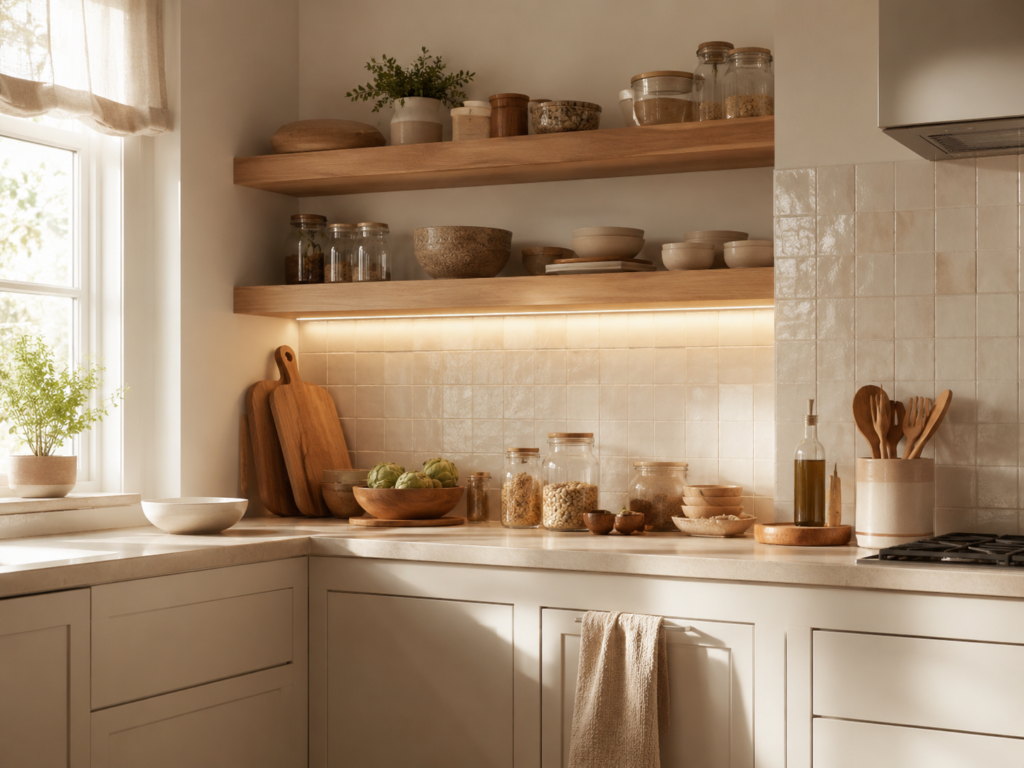
Warm white Scandinavian kitchen with natural light, pale wood shelves, and soft neutral styling.
Why Storage Matters More Than Décor
A Scandinavian kitchen often looks effortless because the storage is doing quiet work behind the scenes.
Instead of filling every surface with decorative items, this style gives everyday objects a place to land. Deep drawers, pantry cabinets, appliance garages, drawer dividers, pull-out shelves, and hidden trash/recycling systems all help preserve the calm look.
The National Kitchen & Bath Association’s 2026 Kitchen Trends Report notes that kitchens are becoming more intelligent, personalized, and health-conscious spaces that support modern lifestyles, with custom storage and minimal details playing an important role.
That fits beautifully with Scandinavian design. The goal is not to hide your personality. The goal is to remove the daily friction that makes a kitchen feel chaotic.
Smart Scandinavian Storage Ideas
Use deep drawers for pots, pans, and mixing bowls. Add vertical dividers for cutting boards and baking sheets. Keep small appliances behind cabinet doors when possible. Choose a tall pantry cabinet if your kitchen is short on wall space. Use open shelving sparingly, only for items that are useful or beautiful enough to see every day.
Open shelves can be lovely, but too many of them can turn a calm kitchen into a display challenge. A few wood shelves with ceramics, glassware, cookbooks, or everyday bowls will usually feel warmer than a wall full of exposed storage.
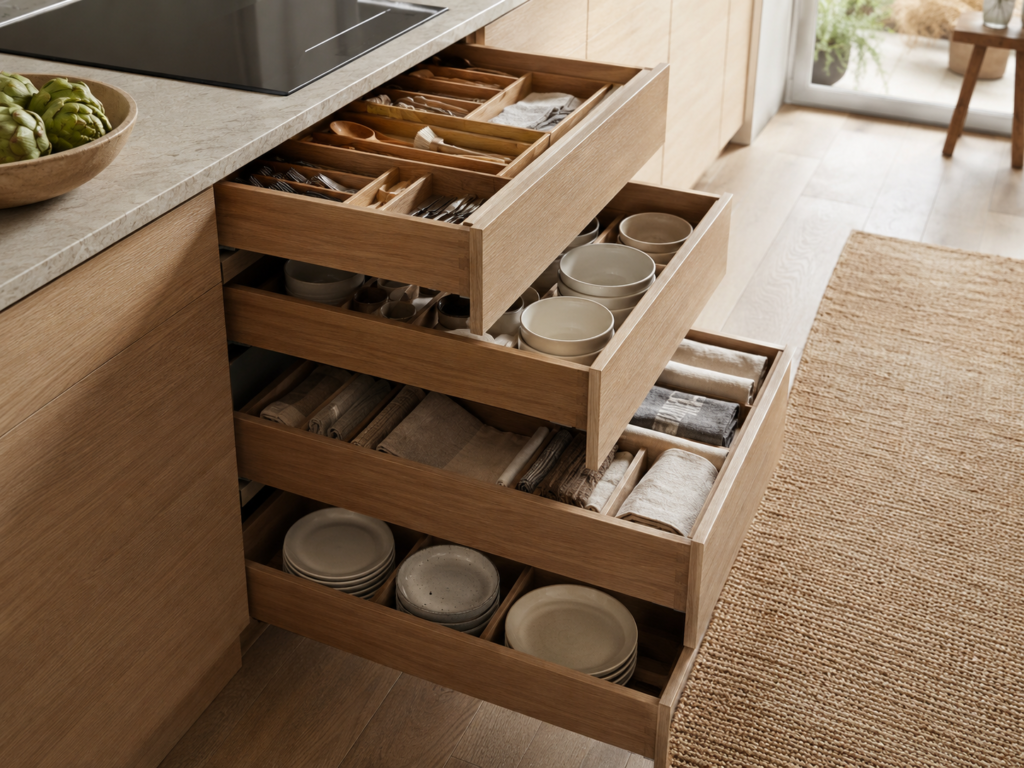
Organized Scandinavian kitchen drawers with wooden dividers, dishes, utensils, and practical storage.
The Best Scandinavian Kitchen Materials
Scandinavian kitchens work best when the materials feel honest and touchable.
Think pale oak cabinets, white oak floors, butcher block accents, honed stone, quiet quartz, handmade tile, linen curtains, ceramic lighting, woven stools, and matte hardware. The room should not feel overly shiny or artificial.
Good material choices include:
- Light oak or ash cabinetry
- Creamy quartz or soft white stone countertops
- Butcher block for warmth in smaller doses
- Matte black, brushed nickel, or soft brass fixtures
- Handmade white, beige, or pale gray tile
- Ribbed glass cabinet fronts
- Linen, cotton, wool, jute, and woven textures
- Ceramic bowls, wood boards, and simple greenery
The key is restraint. Scandinavian design does not need many materials. It needs the right few materials repeated with intention.
How to Keep a Scandinavian Kitchen From Feeling Cold
This is where many people get the style wrong.
Minimal does not mean lifeless. Clean does not mean empty. Bright does not mean sterile.
To keep the room warm, add natural wood, layered lighting, soft textiles, and a few imperfect textures. A woven runner can soften the floor. A ceramic vase can break up the straight lines. A wood cutting board leaning against the backsplash can add warmth without clutter. A small plant or branch arrangement can bring life into the room.
The NKBA-related 2026 kitchen trend coverage also points to wellness-focused kitchens that use natural light, high-quality layered lighting, connection to the outdoors, healthy cooking support, and social interaction. It also notes that 96% of designers surveyed cited natural light as an important design feature.
That is a strong reminder: a kitchen should support how people feel, not just how a room looks.
20 Scandinavian Kitchen Design Ideas | Scandinavian Style Kitchen – Video
Color Palette Ideas That Feel Soft, Not Boring
A Scandinavian kitchen palette should feel calm but not flat.
Try one of these combinations:
- Classic Nordic Bright: warm white walls, pale oak cabinets, white quartz counters, matte black fixtures
- Soft Earthy Scandinavian: mushroom cabinets, cream walls, light wood floors, brushed brass hardware
- Cozy Apartment Scandi: white cabinets, butcher block counters, linen Roman shade, woven rug
- Modern Nordic Contrast: flat-front white cabinets, black pendant lights, oak island, charcoal stools
- Organic Warm Minimalist: beige plaster-style walls, light oak cabinetry, handmade ivory tile, ceramic accents
The most important rule is to avoid adding too many competing colors. Let texture create the depth.
Small Scandinavian Kitchen Ideas
Scandinavian design is especially helpful in small kitchens because it makes every choice feel intentional.
Use light cabinet colors to open the room visually. Carry the backsplash to the ceiling when possible. Choose slim hardware or integrated pulls. Add under-cabinet lighting to reduce shadows. Keep countertops mostly clear. Use a narrow rolling cart only if it solves a real storage problem. Choose stools that tuck under the counter. Replace heavy curtains with light-filtering shades.
The goal is not to make a small kitchen pretend to be large. The goal is to make it feel calm, useful, and easy to move through.
DIY SMALL Kitchen Makeover! Minimalist Scandinavian ✨ft. Tic Tac Tiles
What to Buy First If You Are Not Renovating
You do not need a full remodel to bring Scandinavian warmth into your kitchen.
Start with the items that change the feeling quickly:
- A warm woven runner
- A wood cutting board large enough to display
- Cream or white ceramic bowls
- Simple linen dish towels
- A small lamp or warm under-cabinet lighting
- Glass jars for visible pantry items
- A pale wood tray for coffee or tea items
- Matte black or soft brass cabinet pulls
- A simple plant, herb pot, or branch arrangement
This is also where affiliate links can fit naturally, but keep the article helpful first. Google warns that affiliate content should only be a minor part of a site when it does not add additional user value, so product recommendations should be curated, explained, and connected to the design problem they solve.
Common Scandinavian Kitchen Mistakes to Avoid
Do not use bright, cold whites everywhere without adding warmth.
Do not overdo open shelving.
Do not mix too many wood tones without a plan.
Do not rely on one overhead light.
Do not copy a showroom if it does not fit your real cooking routine.
Do not remove personality completely.
Do not buy trendy pieces that fight the calm foundation of the room.
The best Scandinavian kitchens feel edited, not erased.
Final Thoughts: A Kitchen That Lets You Breathe
A Scandinavian kitchen is not beautiful because it is perfect.
It is beautiful because it understands restraint. It knows when to be bright, when to be warm, when to be useful, and when to stay quiet. It gives every object a reason to be there. It turns storage into peace, light into design, and simplicity into comfort.
Whether you are renovating a full kitchen or simply trying to make your current space feel calmer, Scandinavian design offers a helpful starting point: remove what makes the room feel heavy, keep what makes daily life easier, and let warmth come through honest materials.
The result is a kitchen that does not try too hard.
And maybe that is exactly why it works.
References
- Friedmann, A. A., & Encyclopaedia Britannica Editors. (2026, May 15). Interior design: Northern Europe. Encyclopaedia Britannica.
- IKEA Museum. (2023, May 3). Democratic Design. IKEA Museum.
- John, S. (n.d.). 15 Scandinavian kitchens that are hygge at its finest. Architectural Digest. Retrieved May 22, 2026.
- National Kitchen & Bath Association. (2025, September 16). NKBA | KBIS 2026 Kitchen Trends Report. NKBA.
- National Kitchen & Bath Association. (2025, September 18). KBIS releases annual 2026 Kitchen Trends Report. NKBA.
- Kitchen & Bath Business. (2025, December 22). NKBA’s 2026 Kitchen Trends Report. Kitchen & Bath Business.
- Houzz Research. (2026, January 13). 2026 U.S. Houzz Kitchen Trends Study. Houzz.
Recommended Reads
This post may contain affiliate links. As an Amazon Associate, Fly By Eats may earn from qualifying purchases at no extra cost to you.

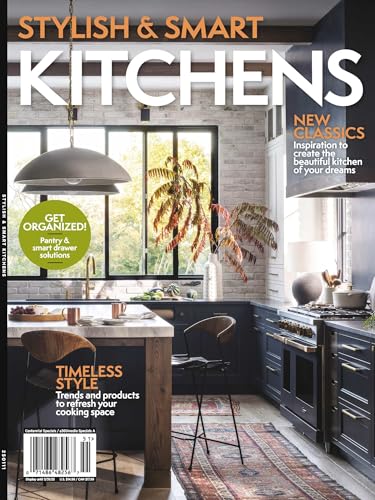




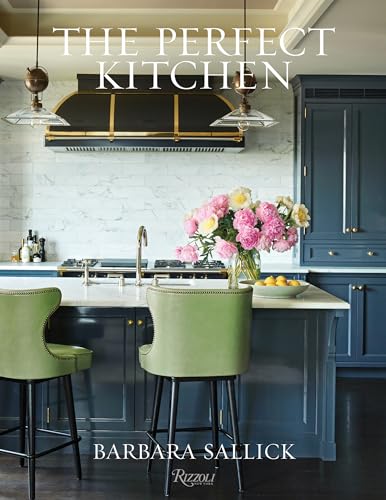


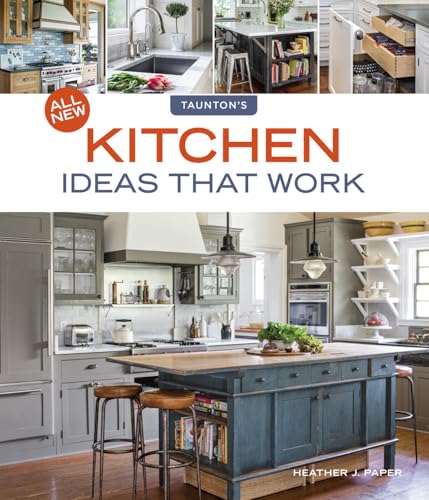
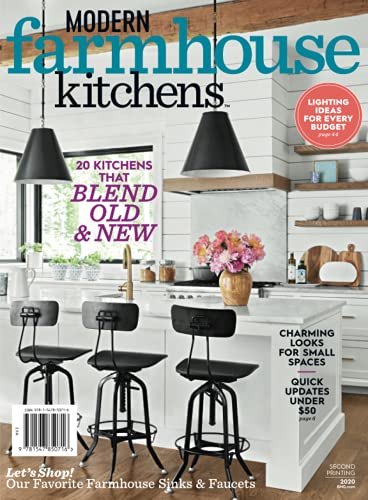


This post may contain affiliate links. As an Amazon Associate, I earn from qualifying purchases.
References